01
Use more daylight
Grid-tied solar
Turn sunshine into electricity for daytime use. The grid remains available when solar generation is not enough.
Best explored when your daytime electricity demand is consistent.Lunch on the stove. Laundry on the line. Work from the spare room. Make solar part of the home you already love.
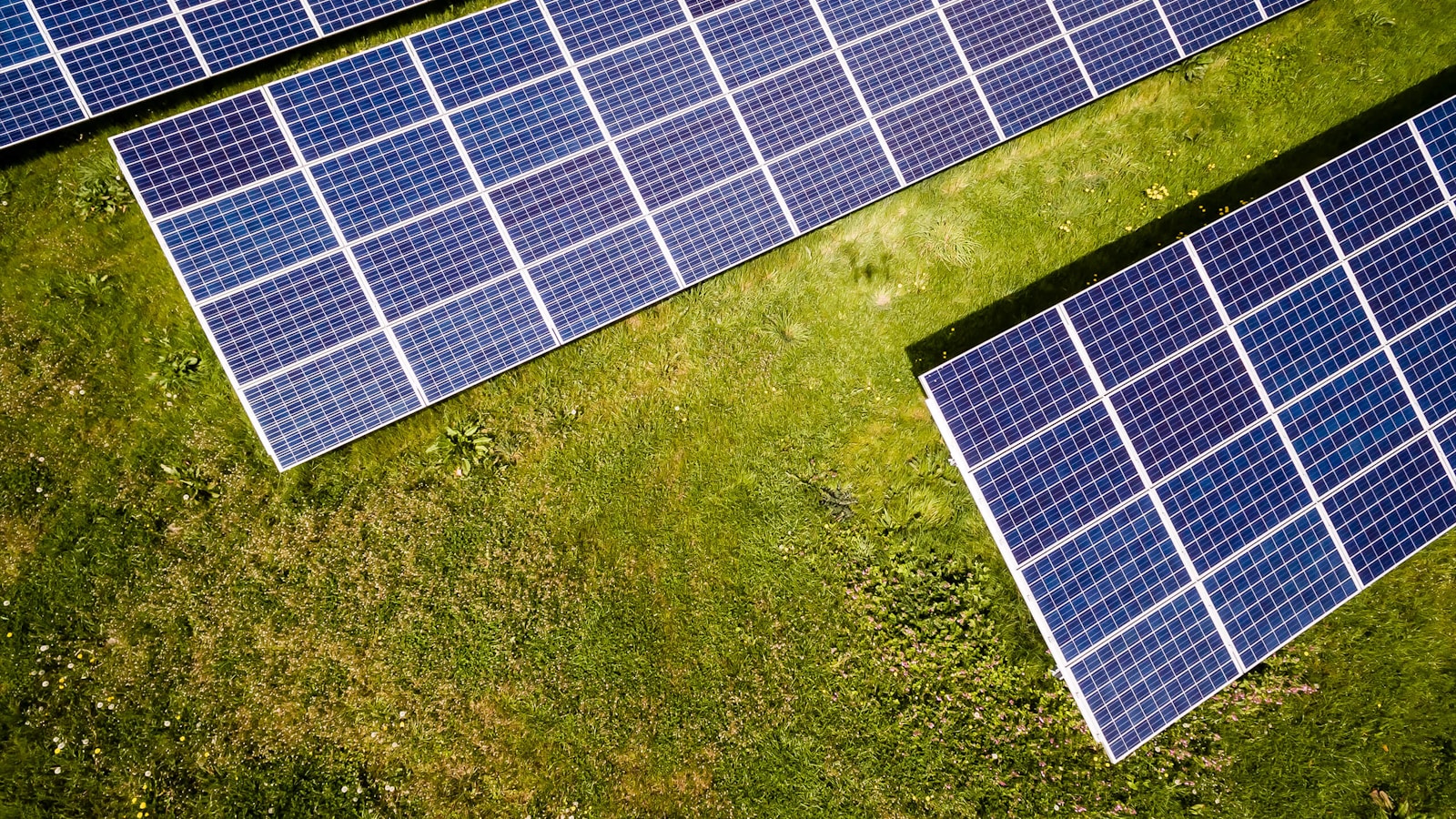
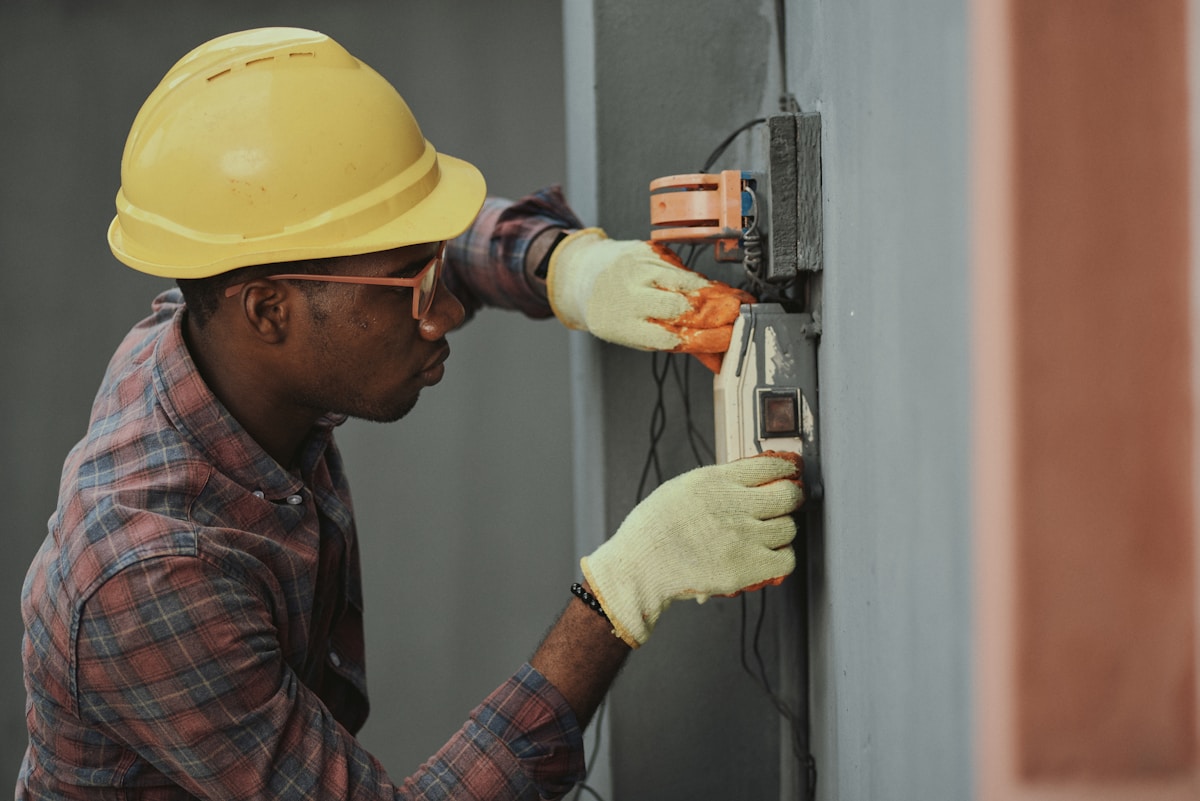
Start with how you use electricity. Choose a system only after you understand what your roof can support.
Use more daylight
Turn sunshine into electricity for daytime use. The grid remains available when solar generation is not enough.
Best explored when your daytime electricity demand is consistent.Plan for backup
Pair solar with a compatible inverter and battery to support selected loads during an outage. Backup duration depends on the load and battery size.
Start by listing the appliances you want to keep running.Put your roof to work
Match a rooftop system to your operating hours and electrical demand. Review roof access, ownership and available space before sizing.
A practical starting point for shops, offices and facilities.No two roofs are alike. The process should leave you with clear answers, not a longer list of unknowns.
Gather a recent electric bill, your location and a sense of when you use the most electricity.
Review usable space, shading, roof condition and electrical connections through a site assessment.
Compare system size, equipment, scope and assumptions. Discuss utility requirements and any battery needs.
Agree on the installation scope, testing and monitoring setup. Learn how to read your system and care for it.
Solar is a long-term decision.
It is worth understanding the details.
It depends on system size, roof conditions, equipment and whether batteries are included. A recent electric bill helps start the discussion, but a roof and electrical assessment are needed for a meaningful proposal. We prepare a proposal after reviewing your requirements.
A standard grid-tied system shuts down during an outage for safety. Backup requires a compatible inverter, batteries and a correctly designed backup circuit. The battery size and connected loads determine how long backup lasts.
Net metering may allow eligible systems to export excess electricity. Participation, metering, credits and connection requirements are subject to your distribution utility’s approval and applicable rules. Export credits are not necessarily the same as your retail electricity rate.
Panels can still generate electricity in diffuse light, but output is lower. A grid-connected home can draw electricity from the grid when needed. Expected generation must account for local weather, shade and roof orientation.
Usable area, orientation, shading and structural condition all matter. Roof repairs may need to happen first. A qualified site assessment should check the roof and electrical setup before a system is specified.
Bring your questions and a recent electric bill.
Start with a conversation, not a commitment.
Apex Energy collects your name, email address, location, electricity bill range and solar interest to respond to your consultation request. Your submission is stored in Airtable and accessed by the team handling your enquiry. We do not use this form to subscribe you to marketing emails. You can ask us to correct or delete your enquiry details when we contact you.